Buying a home in Islamorada from another country can feel like steering a boat through unfamiliar waters. You want a simple process, clear steps, and a local advisor you can trust. In this guide, you’ll learn how remote viewings work, what proof of funds you need, how to move money safely, how long the process takes, and where a multilingual advisor makes a real difference. Let’s dive in.
Why Islamorada attracts global buyers
Islamorada is a small, high-amenity village in the Upper Florida Keys known for waterfront living, boating, and fishing. Desirable properties often move quickly, and cash offers are common for second-home and vacation buyers. If you are purchasing from abroad, planning ahead and verifying details early will help you act with confidence.
Flood and hurricane risk shape this market. Many properties sit in FEMA flood zones, which can affect financing and insurance. You can review a property’s flood zone on the FEMA Flood Map Service Center. It is also smart to confirm records and permitted work through the Monroe County Property Appraiser and Monroe County Planning and Environmental Resources.
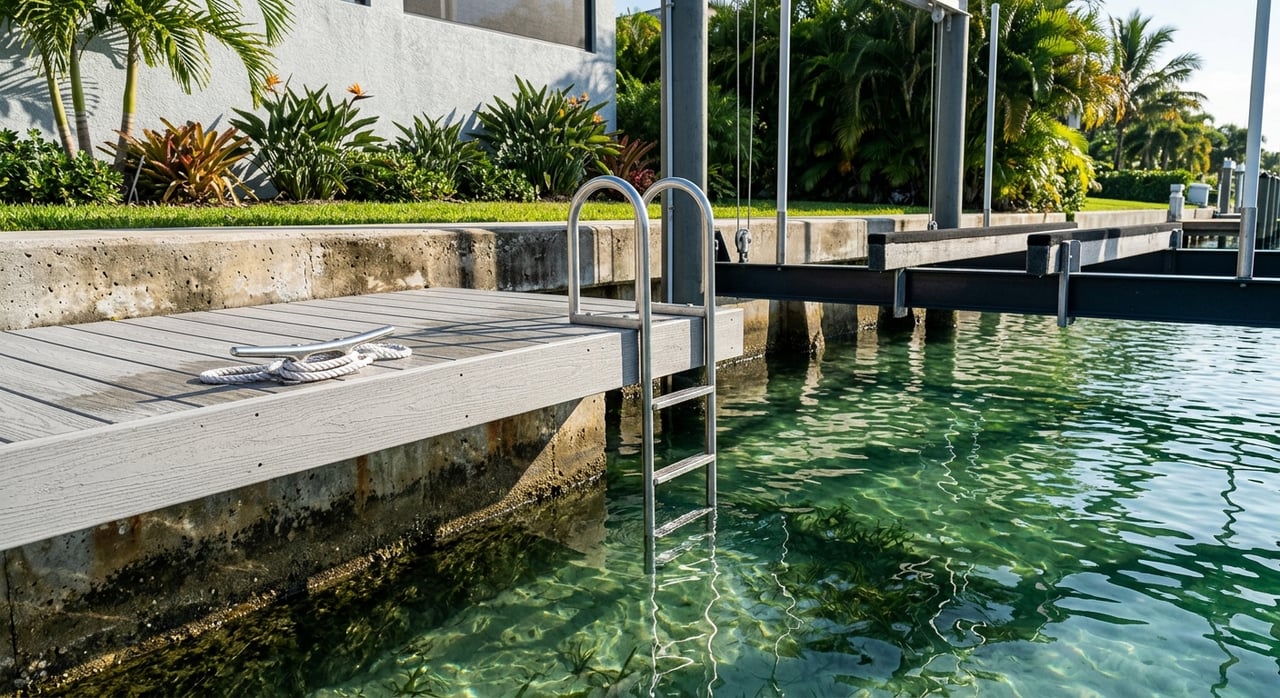
Insurance costs matter. Some coastal homes require both windstorm and flood coverage, and premiums can be higher than inland markets. Waterfront purchases may also require a current survey and clear title to docks or seawalls. Title companies will review access, easements, and the chain of title.
Step-by-step: Buying from abroad
1) Search and view homes remotely
- Join live video tours via FaceTime or Zoom at times that fit your schedule.
- Review high-resolution photos, Matterport 3D tours, and drone footage when available.
- If you cannot travel, authorize a trusted representative for in-person walk-throughs. Your agent can coordinate additional photos, videos, and notes.
2) Make a competitive offer
- In Florida, offers are written and presented in writing. Sellers often expect proof of funds or a lender preapproval with the offer.
- Earnest money is typically wired to a licensed title company or broker escrow account and held until closing.
- Discuss timelines, contingencies, and inclusions early so you can move quickly if a property fits.
3) Run inspections and due diligence
- Schedule general home inspections you can attend by live video. Inspectors provide written reports and photos.
- For waterfront or canal homes, add marine and structural reviews, including seawall and dock assessments.
- Order a survey. Lenders may require an ALTA/NSPS survey, and cash buyers benefit from boundary confirmation and dock alignment checks.
4) Title, closing agent, and signing logistics
- A Florida title company coordinates title search, title insurance, escrow, and closing.
- Tell the title company early if you will close remotely and whether you need translation, apostilles, or entity documents.
- Confirm your closing method: in-person in Florida, mail-away signing abroad, remote online notarization if available, or a limited power of attorney if permitted by the lender and title company.
5) After closing
- The title company records the deed and disburses funds. You will arrange key handoff, utilities, and insurance binding.
- If using a U.S. entity, ask your advisors about any required EIN, operating agreements, or follow-up filings.
Money essentials for international buyers
Proof of funds that sellers accept
- Provide recent bank statements, a certified bank letter, investment account statements, or an escrow letter.
- The amount should cover the earnest money, down payment, and estimated closing costs.
- Documents should be in English or include certified translations. Be ready to show the source of funds when your bank or title company requests it for compliance.
Financing options and expectations
- Cash is common among international buyers. If you finance, expect larger down payments, potentially higher rates, and more documentation.
- Lenders may ask for a passport, visa if applicable, income and asset proof, tax returns, and bank statements. Limited U.S. credit history can add conditions.
- Compare lenders who offer foreign-national programs and request prequalification early to align timelines.
Personal name or entity ownership
- Foreign buyers sometimes purchase in a personal name, a foreign corporation, or a U.S. LLC. Each choice has tax, privacy, and estate implications.
- If you buy through an entity, be prepared to provide certified corporate documents, often with apostille and translation. Some lenders may require personal guarantees.
- Discuss structure and estate planning with a U.S. tax attorney before you write offers.
Currency, wires, and keeping your funds safe
- Plan currency conversion with your bank or a reputable FX provider. Consider locking rates for larger transfers.
- International wires can take 1 to 5 business days, sometimes longer. Ask about cut-off times and intermediary banks.
- Title companies typically require final funds by wire to their escrow account. Many do not accept foreign checks.
- Protect yourself from wire fraud. Follow best practices from the American Land Title Association on wire fraud and review the CFPB’s consumer tips on wire transfers. Always confirm wiring instructions by calling the title company at a published phone number you find independently.
Taxes and U.S. reporting to know
- Rental income from U.S. property is taxable. Nonresident owners often file Form 1040-NR and may elect to be taxed on net income.
- When you eventually sell, the FIRPTA rules may require the buyer to withhold a percentage of the sale price unless an exception applies. Learn more about FIRPTA withholding rules on the IRS website.
- If you need a U.S. taxpayer ID, you may be able to apply for an ITIN. See IRS Form W-7 guidance.
- Florida has no personal state income tax, which is relevant for rental income at the state level.
Remote closings and timeline expectations
- Mail-away signing: Documents are signed abroad before a qualifying notary. Many countries require an apostille. Build time for shipping.
- Remote online notarization: Some Florida title companies and notaries offer RON, subject to acceptance by the lender and title company. Review Florida online notarization rules and confirm your local jurisdiction’s requirements.
- Power of attorney: A limited POA can allow an authorized person to sign at closing. Many lenders restrict POA use, so confirm early.
Typical timelines:
- Cash purchases: about 2 to 6 weeks if title is clear and documents are organized.
- Financed purchases: about 30 to 60 days or more due to underwriting and appraisals.
- Add 1 to 3 weeks for international notarization, translations, apostilles, and cross-border wires.
How a multilingual advisor helps
A multilingual, Keys-based advisor does more than translate. You get clear explanations of local norms, help coordinating inspections and surveys, and guidance on escrow, insurance, and closing costs. Your advisor can align the title company, lender, translators, FX providers, and tax counsel so funds and documents arrive on time.
You also gain risk management. A seasoned advisor will walk you through wire security, flood and wind considerations, and entity options while coordinating with your attorneys and accountants. Most of all, you get a calm, concierge experience that keeps you informed at every step.
Ready to explore Islamorada from abroad with a trusted local partner by your side? Reach out to Pierre-Marc Bellion to start a tailored, multilingual plan for your Keys home search.
FAQs
Can nonresidents buy property in Islamorada?
- Yes. Foreign nationals can own U.S. real estate. The main complexities are financing, insurance, taxes, and closing logistics.
Do I need to be in Florida to close on a home?
- No. Many closings happen by mail-away, remote online notarization if accepted, or power of attorney. Confirm the method with your title company and lender early.
How long do international closings usually take?
- Cash deals often close in 2 to 6 weeks. Financed purchases are commonly 30 to 60 days or more. Add extra time for notarization, translations, and international wires.
What documents work for proof of funds?
- Recent bank statements, certified bank letters, investment account statements, or escrow letters in English or with certified translations generally work, subject to verification.
What should I know about taxes before buying?
- Rental income is taxable in the U.S., and FIRPTA may apply when you sell. You may need an ITIN. Consult the IRS resources and your tax advisor for planning.