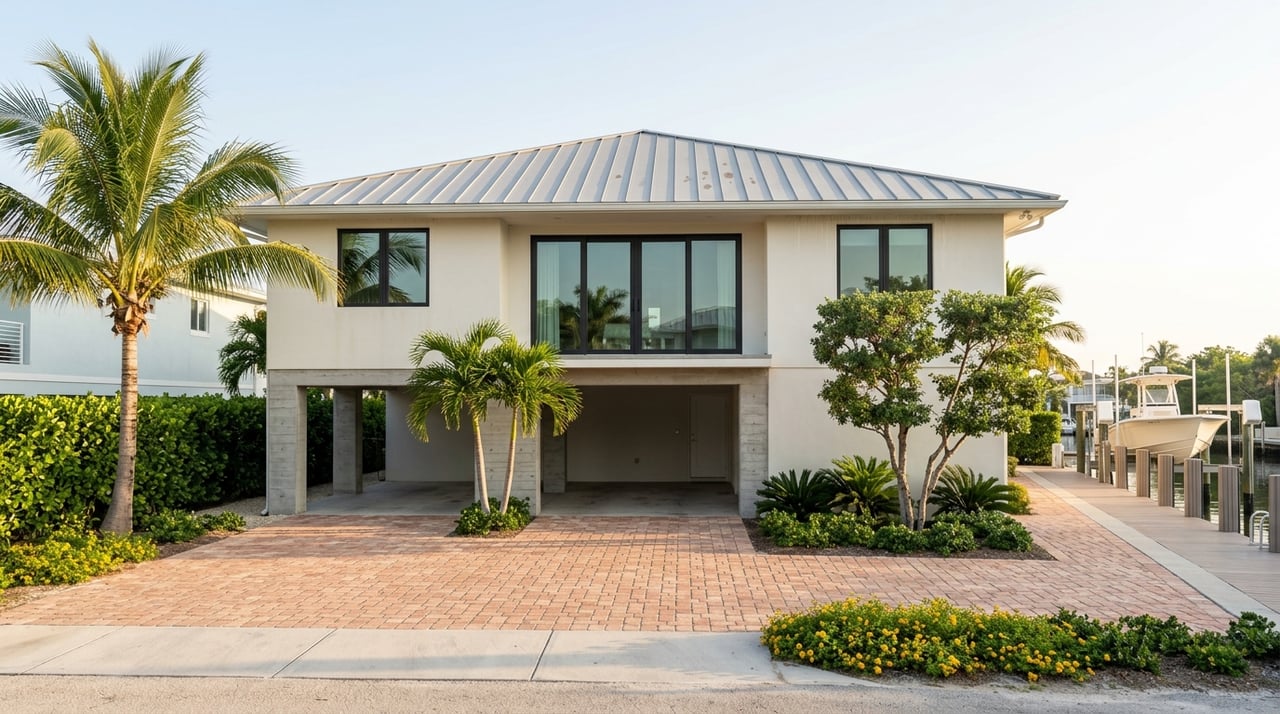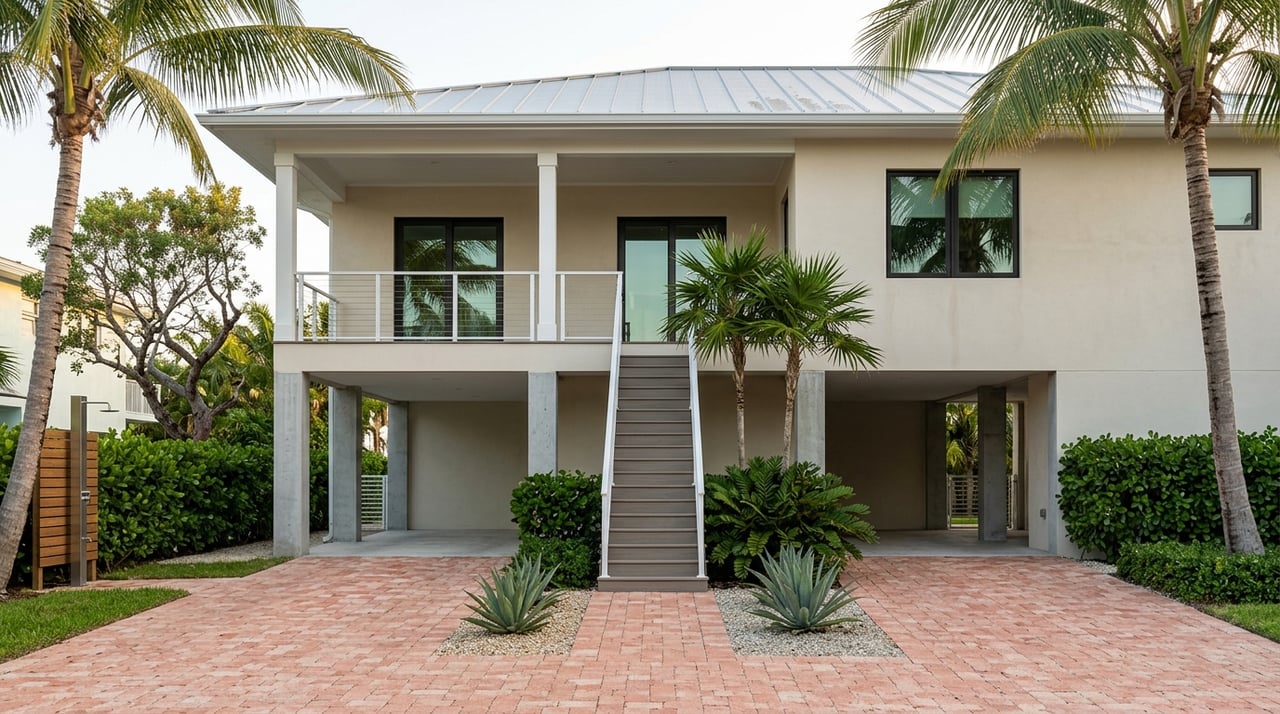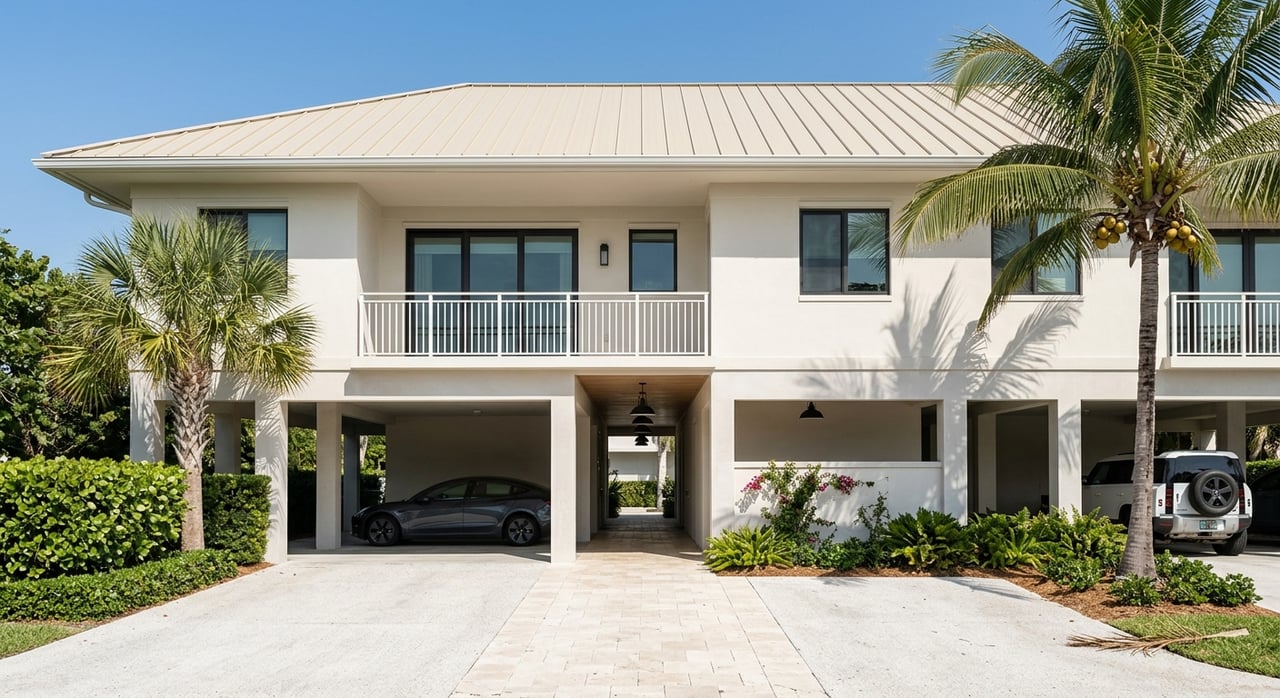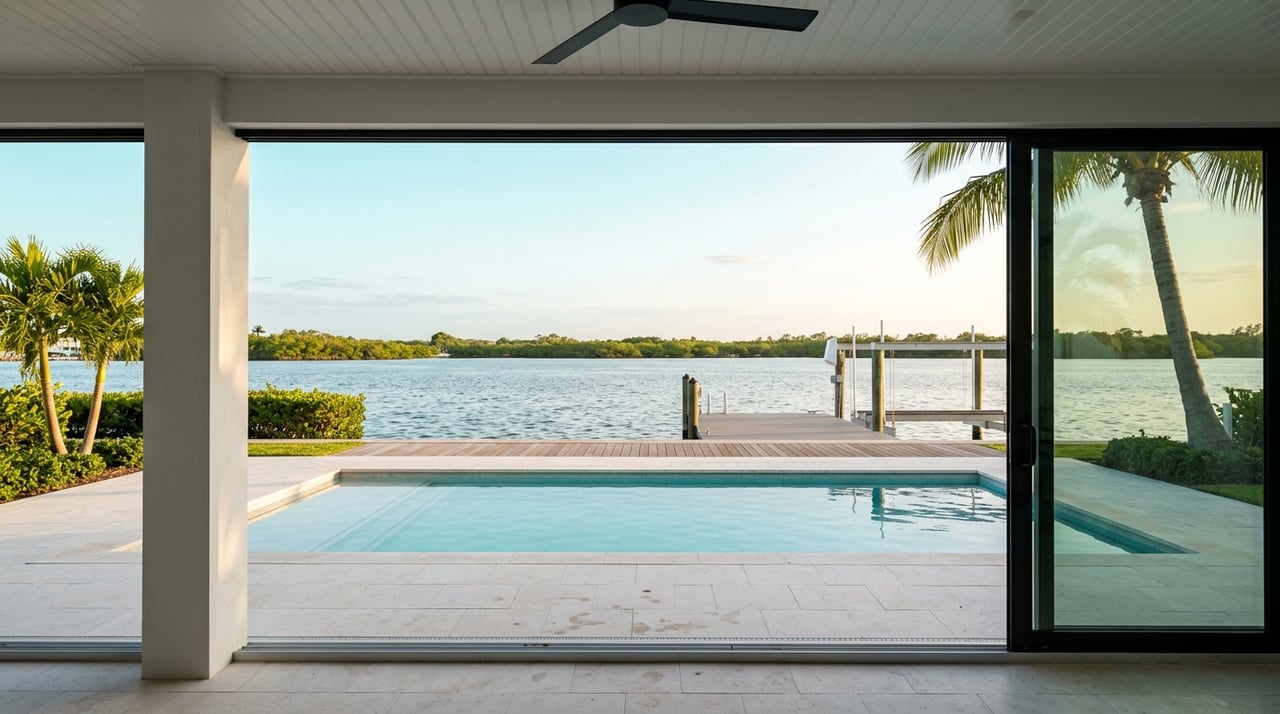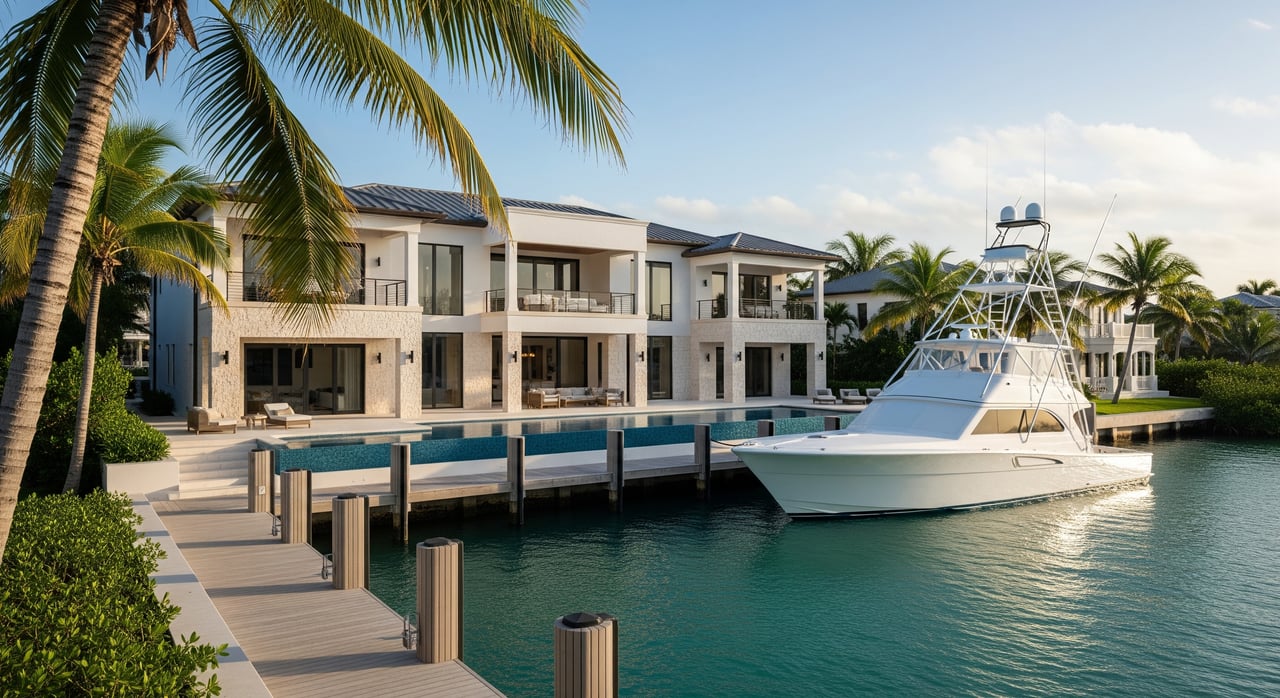
Eyeing a canal or oceanfront home in Key Largo and wondering how to finance it? When list prices climb above standard loan limits, you enter the jumbo world, where approvals, insurance, and property details matter more. You want clarity, not jargon. In this guide, you’ll learn what counts as a jumbo loan in Key Largo, what lenders look for, how down payments and reserves typically work, and which programs can fit second homes, investment properties, and foreign buyers. Let’s dive in.
What counts as a jumbo in Key Largo
Most Key Largo luxury homes exceed the conforming loan limits that government-sponsored entities buy. A jumbo mortgage simply means your loan amount is above that limit. These limits adjust annually and the single-unit baseline has been in the mid-$700,000s in recent years.
Because jumbos are not sold to Fannie Mae or Freddie Mac, pricing and underwriting vary by lender. In coastal markets like Key Largo, flood zones, windstorm exposure, and condo rules often steer you to specialized or portfolio lenders. That is normal here and it is manageable with the right plan.
Common jumbo loan types in the Keys
Jumbo options are not one-size-fits-all. The right choice depends on your occupancy, documentation, assets, and property type.
Conventional jumbo fixed
- 30-year and 15-year fixed rates are common for borrowers who want long-term payment stability.
- Best pricing usually appears at lower loan-to-value ratios (80% LTV or lower).
Adjustable-rate jumbos (ARMs)
- ARMs can offer lower initial rates compared with fixed options.
- Useful if you plan to refinance or sell within a set time horizon.
Portfolio loans
- The lender keeps the loan on its books, which allows flexible underwriting.
- Often used for non-warrantable condos, unique waterfront features, or very large loan amounts.
Bank-statement or asset-based programs
- Tailored for high-net-worth or self-employed buyers with complex income.
- Expect higher rates and stronger reserve requirements compared with full-documentation loans.
Conforming-plus / super-conforming
- In some high-cost settings, you may find loan sizes just above standard limits with slightly more flexible terms.
- Availability changes by lender and market conditions.
How much down payment do you need?
Down payment rules differ by occupancy, property type, and lender. Use these ranges as a planning guide and confirm current requirements with your lender.
- Primary residence: commonly 10–20% down (80–90% LTV). Best pricing often appears at 80% LTV or lower.
- Second or vacation home: often 15–25% down. Many lenders price best at 20% or more down.
- Investment property: typically 25–30% down (70–75% max LTV).
- Non-warrantable condos or specialty properties (for example, docks or septic): may require 25–40% down or higher.
If you’re targeting a waterfront or canal-front home, be ready for lenders to look closely at insurance coverage and property features. A slightly larger down payment can offset risk and improve your terms.
Credit, income, and reserves
Jumbo programs tend to favor stronger profiles, but flexibility exists.
- Credit score: many lenders want mid- to high-600s minimum; scores of 700+ help pricing.
- Debt-to-income (DTI): full-doc jumbos commonly allow DTIs into the high-40s with compensating factors such as strong assets or reserves. Portfolio programs may allow higher effective DTIs.
- Cash reserves: plan for 6–12 months of principal, interest, taxes, and insurance (PITI). Second homes often sit at the higher end. Investment properties may require reserves per property plus additional buffers.
- Documentation: full documentation is standard. Bank-statement and asset-depletion options exist for qualified borrowers but usually cost more and require more reserves.
Local factors that shape your approval
Coastal properties come with details that directly affect your eligibility and monthly payments. Address these early to avoid surprises.
Flood zones and flood insurance
Many Key Largo homes sit in FEMA flood zones such as AE or VE. If your property is in a Special Flood Hazard Area, lenders require flood insurance in an amount equal to the lesser of replacement cost or your loan amount. Premiums can materially affect your monthly expenses and your DTI calculation.
An elevation certificate can lower premiums and clarify requirements. Ask for elevation information and preliminary flood quotes early in your search, especially for waterfront or low-lying lots.
Windstorm and homeowner’s insurance
Florida’s coastal wind exposure drives higher premiums and unique deductible structures. Some policies exclude certain risks. Lenders will review your coverage carefully. If private insurance is not available, Citizens Property Insurance can be a fallback and may complicate underwriting.
Build time into your process to secure quotes for both homeowner’s and windstorm coverage. Strong coverage shows the lender the property is insurable and that your projected payment is realistic.
Appraisals for waterfront homes
Waterfront value is nuanced. Appraisers must evaluate seawalls, docks, riprap, boat lifts, and other non-standard improvements. Lenders may require a coastal-experienced appraiser and, for unique or high-value properties, a second appraisal or a desk review.
If the home has a septic system, shared wells, or multiple lots, expect additional inspections and documentation. Early awareness keeps your closing on track.
Condos and association review
Many Key Largo condos are considered non-warrantable due to factors like investor ratios, reserves, litigation, or short-term rentals. Even with a jumbo loan, conventional lenders may restrict these buildings or require larger down payments.
Your lender’s condo review will look at financials, insurance, special assessments, rental percentages, and governance documents. If the project is non-warrantable, portfolio solutions are often your best path.
Rate and pricing drivers you can influence
While market rates shift, you control several levers that impact your terms.
- Loan amount and LTV: larger loans and higher LTVs tend to price worse. A bigger down payment can help.
- Credit score: higher scores improve pricing. Cleaning up minor credit issues can pay off.
- Occupancy: primary residences price better than second homes, which price better than investment properties.
- Documentation: full-doc programs usually offer better rates than bank-statement or asset-based options.
- Reserves and liquidity: more liquid assets reduce lender risk and can improve terms.
A simple strategy is to plan for an 80% LTV or lower, maintain strong credit, and document income thoroughly. That combination tends to unlock better pricing in the jumbo space.
Self-employed and high-net-worth buyers
If you own a business or have significant assets with lower reported income, you still have options.
- Full documentation: best pricing, using tax returns, W-2s or K-1s, and bank/investment statements.
- Bank-statement programs: use a set period of business or personal statements to average deposits as income. Expect tighter reserve rules and higher rates.
- Asset-depletion programs: your investable assets help qualify you on an imputed income basis. These also carry higher pricing and reserve requirements.
Choose the structure that fits your financial profile and timeline. If flexibility is more valuable than the absolute lowest rate, a portfolio program can be a smart fit.
Foreign national buyers in Key Largo
International demand is strong in Florida’s coastal markets, and lenders offer dedicated foreign-national programs.
- Down payment: commonly 30–50% depending on documentation and status.
- Pricing: typically higher rates and fees compared with domestic borrowers.
- Documentation: options include bank statements from foreign institutions, letters of credit, proof of assets, or translated and authenticated tax documents. Some programs do not require U.S. credit history.
- Due diligence: expect thorough source-of-funds verification, currency conversion considerations, and additional anti-money-laundering checks.
Structuring tips: use U.S. dollar accounts when possible and prepare comprehensive asset documentation. Consider cross-border estate and tax planning as part of your purchase strategy.
Step-by-step: your jumbo loan game plan
Give yourself time and assemble the right team. Here is a practical checklist for Key Largo purchases.
- Speak with an experienced local lender
- Discuss occupancy (primary, second home, or investment), down payment targets, and documentation type.
- Ask about program fit for condos, waterfront features, and potential non-warrantable buildings.
- Get insurance quotes early
- Request homeowner’s and windstorm quotes as soon as you identify a property profile.
- If the home is in a flood zone, secure a flood quote and, if available, an elevation certificate.
- Gather borrower documents
- Two years of tax returns (if full-doc), recent pay stubs and W-2s. For self-employed, two years personal and business returns.
- Bank and investment statements (often 2–12 months), plus documentation for reserves and any large deposits. Have ID and tax ID ready; foreign buyers should prepare passports and any required translations.
- Prepare for property diligence
- Order an appraisal with a waterfront-experienced professional. Build time for potential second reviews.
- For condos: obtain budget, reserves, insurance, bylaws, rental percentages, and information on any litigation or assessments.
- Expect surveys, title commitments, and, where applicable, seawall or septic inspections.
- Plan your timeline
- Insurance procurement can be a gating item in Florida. Start early.
- Coastal appraisers may have longer lead times, and condo reviews depend on association responsiveness.
- Coordinate closely with your lender, agent, and insurance team to keep milestones on track.
Sample scenarios you might recognize
Primary residence, $1.2M waterfront single-family: many buyers use a conventional jumbo with around 20% down, full documentation, and 6–12 months of reserves. If the home is in a Special Flood Hazard Area, flood insurance will be required.
Second home, $2.0M canal-front: expect 20–30% down with higher pricing than a primary. Lenders will closely review wind and flood coverage and, if it is a condo, the building’s financials and rules.
Foreign national, $1.5M purchase: plan for 30–50% down with a portfolio or foreign-national program, proof of assets and bank statements, and a more thorough compliance review.
What to expect on timing
Your timeline depends on three local drivers: insurance, appraisal, and condo review. Insurance quotes for wind and flood can take time and may involve multiple providers. Coastal-experienced appraisers are in demand, especially for unique waterfront homes. Association documentation can also extend timelines when the condo board is slow to respond.
The best move is to start lender conversations and insurance quotes as soon as you define your target property type and budget. Early prep keeps you confident when a great listing hits the market.
Work with a local advisor you trust
A successful jumbo purchase in Key Largo blends strong financing, accurate insurance planning, and waterfront-specific diligence. You deserve a partner who understands docks, draft, and hurricane-rated windows as well as loan-to-value and reserves.
If you are exploring a luxury home or condo in the Upper Keys, let’s talk strategy, from program selection to insurance and association review. For discreet, multilingual guidance and a smooth path from offer to closing, connect with Pierre-Marc Bellion.
FAQs
How much down payment is typical for a Key Largo jumbo purchase?
- Primary homes commonly need 10–20% down, second homes often 15–25%, investment properties about 25–30%, and non-warrantable condos or specialty properties may require 25–40%.
Will flood and wind insurance affect my jumbo loan approval?
- Yes. Premiums for flood and windstorm coverage impact your monthly payment and DTI, and lenders require appropriate coverage for properties in higher-risk zones.
Are Key Largo condos eligible for jumbo financing?
- Many are, but non-warrantable condos often need portfolio lending and larger down payments; lenders will review association financials, insurance, rentals, and any litigation.
What is a portfolio lender and when might I need one?
- A portfolio lender keeps your loan on its books and can be more flexible with condos, unique waterfront features, very large loans, or complex income or asset profiles.
What documentation is required if I’m self-employed or have complex income?
- Full-doc options use tax returns and statements; alternatives include bank-statement and asset-depletion programs, which typically require more reserves and carry higher rates.
What should foreign buyers expect with jumbo loans in the Keys?
- Plan for 30–50% down, higher pricing than domestic borrowers, alternative documentation, and additional compliance checks such as source-of-funds verification.
How do waterfront appraisals differ from typical homes?
- Appraisers evaluate seawalls, docks, boat lifts, and other coastal features; lenders may require coastal-experienced appraisers and sometimes a second review.
How long does the jumbo approval and closing process take in this market?
- Timelines vary by insurance procurement, appraisal scheduling, and condo review; start lender and insurance steps early to keep your closing on track.