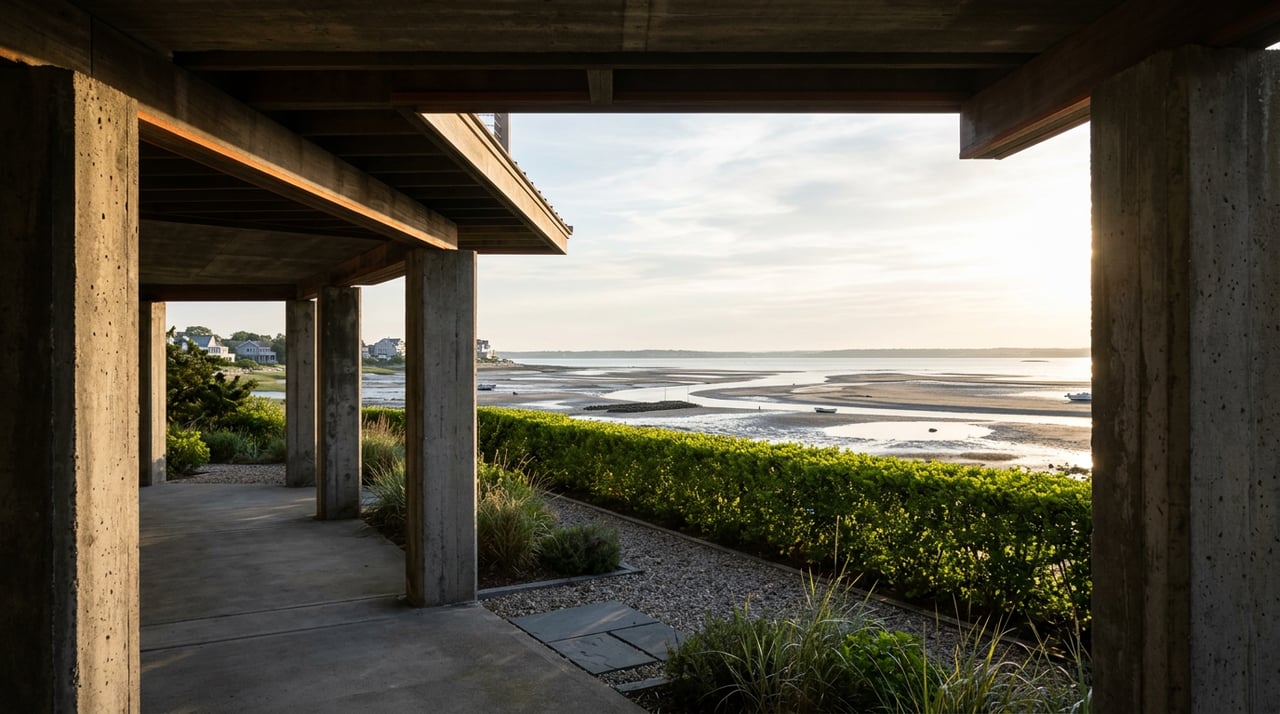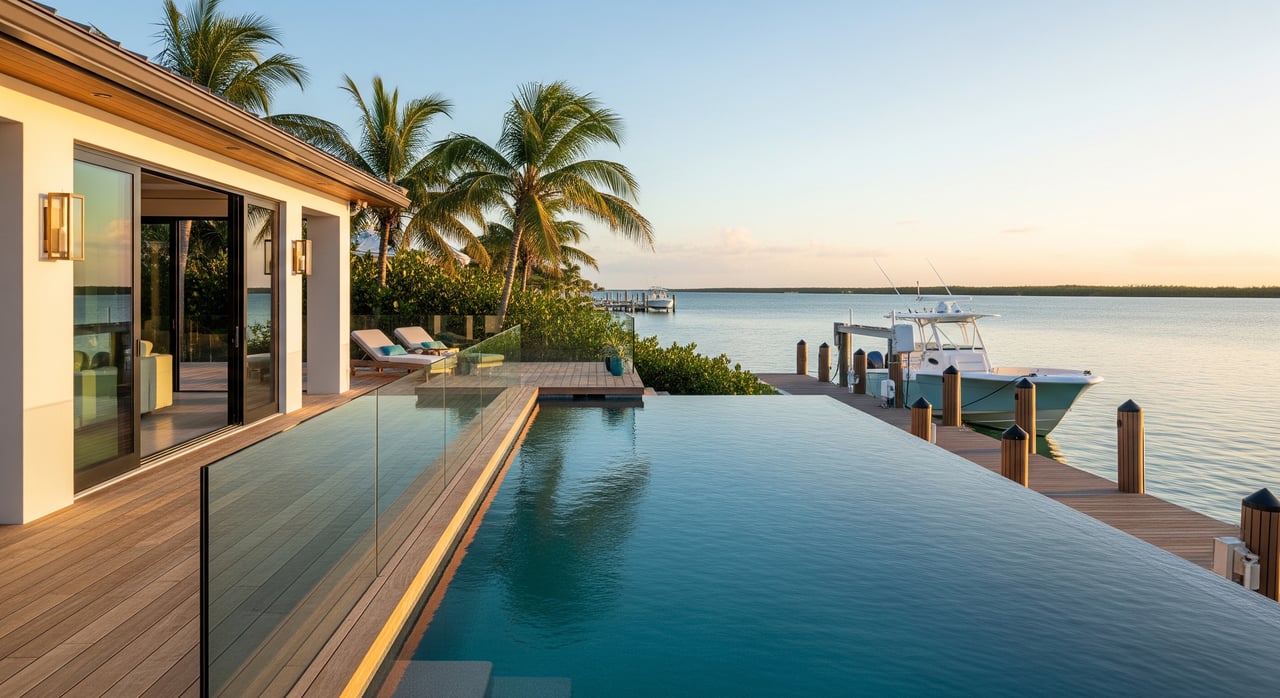
Picture yourself stepping off the dock at sunset, salt on your skin and a gentle breeze moving across the water. If that scene sounds like home, the Florida Keys might be the right fit for your second home. Still, it is not for everyone. You will want to weigh access, costs, risk, and local rules before you buy. This guide will help you decide with clear, practical steps tailored to Marathon and the surrounding islands. Let’s dive in.
Keys lifestyle: is it for you?
Life in the Keys centers on the water. You get world-class boating, fishing, and diving, plus a relaxed island pace. Some areas feel lively and tourist-focused, while others are quiet and conservation-minded. Your day can shift from flats fishing at sunrise to a waterfront dinner by evening.
The Upper Keys offer easier access to the mainland and everyday services. The Middle Keys, including Marathon, blend strong boating culture with practical amenities. The Lower Keys lean quieter, and Key West is the most nightlife-oriented. Decide which rhythm fits your lifestyle best.
You may love the Keys if you want warm winters, time on the water, and the option to rent during peak season. You may hesitate if you need quick access to a major airport or hospital at all times, or if you prefer low and predictable maintenance.
Travel and access
US‑1, the Overseas Highway, is the single road that connects the islands. Travel times increase as you head southwest. That matters for weekend trips, airport runs, and service calls. Road closures due to maintenance or storms can delay travel.
Commercial flights are available from Key West International Airport to select hubs. Many owners still use Miami or Fort Lauderdale for broader flight options. If frequent travel is part of your plan, factor the drive times and consider where you will spend most of your weekends.
Property types and market
Inventory across the Keys includes condos, small-lot single-family homes, canal-front houses with docks, mobile homes, and unique historic cottages. Waterfront and docked properties command premiums. Turnover often picks up in fall and winter when seasonal buyers plan ahead.
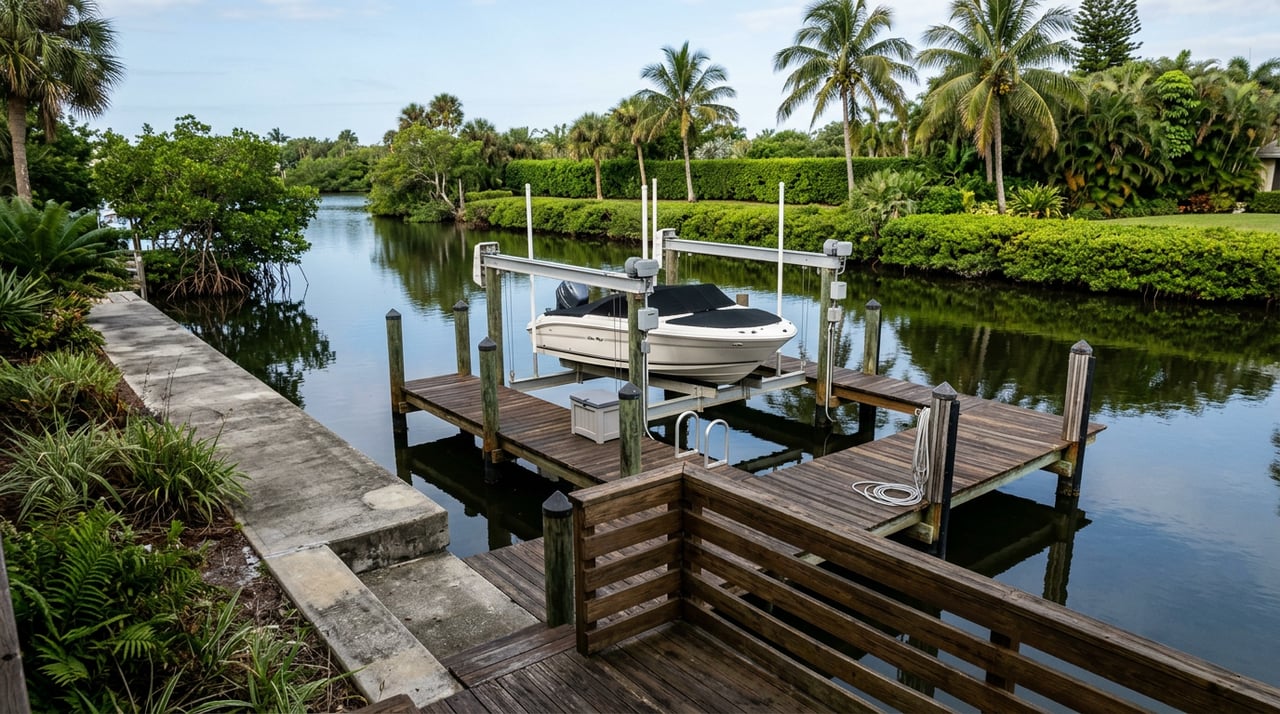
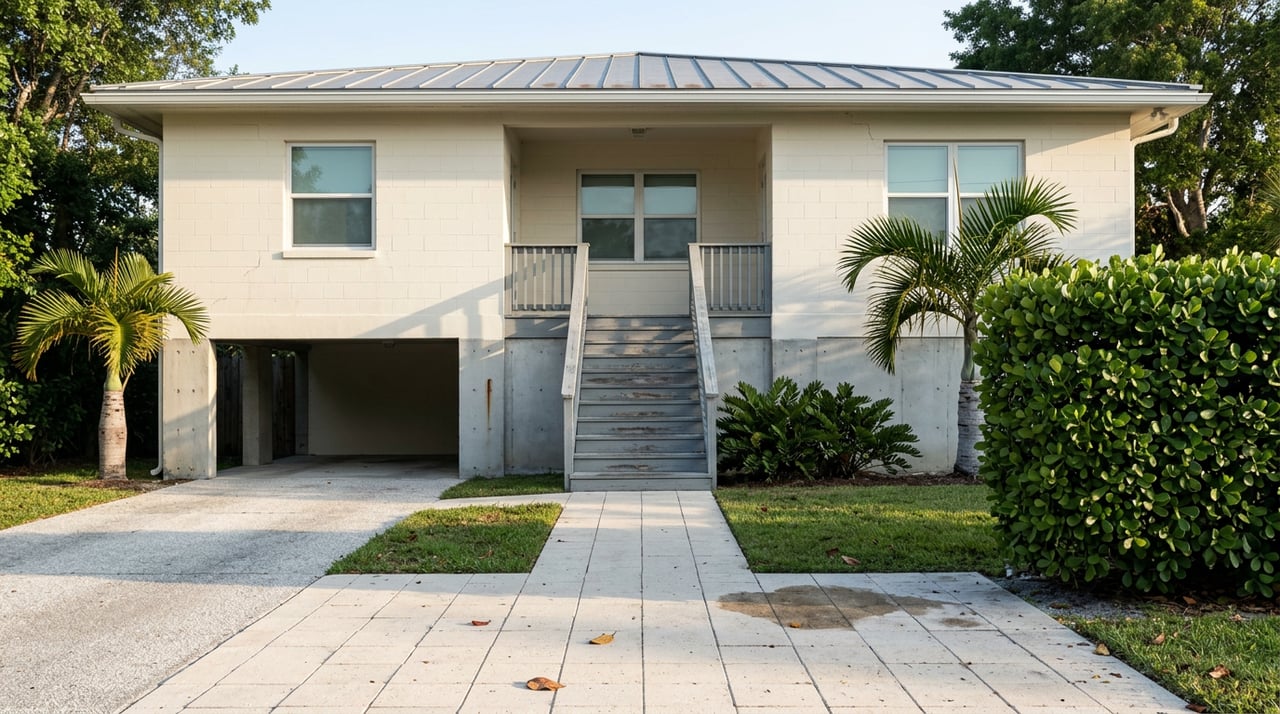
In many cases, condos offer simpler maintenance for part-time owners. Single-family homes may be elevated on pilings and can include permitted docks. Canal-front homes are popular in Marathon for boaters who want quick access to the ocean or bay.
Pricing is generally higher than the Florida average. Condos and inland homes can be more approachable. Oceanfront and canal-front homes are premium. Ask your agent for current neighborhood comps and time-on-market trends as you move from browsing to offers.
Costs you should expect
Owning in the Keys has unique operating expenses. Build a budget that looks beyond the purchase price.
- Insurance: windstorm and flood coverage are common needs. Premiums vary by elevation, flood zone, mitigation features, and claims history.
- Maintenance: salt air and sun increase wear on roofs, paint, windows, docks, and boats.
- Utilities: electricity can cost more than on the mainland. Generators are common for storm resilience.
- HOA or condo fees: if applicable, they can cover reserves, exterior maintenance, and community amenities.
- Property management: if you plan short-term rentals, budget for management, cleaning, and turnover upkeep.
Insurance basics
Expect separate wind/hurricane and flood policies. Many standard homeowner policies exclude flood. If there is a mortgage and the property sits in a FEMA flood zone, the lender may require flood insurance. Wind mitigation features like impact windows, shutters, roof straps, and updated roofs can improve insurability and reduce premiums. Get quotes early for any property you’re serious about.
Rental economics
Short-term rental demand is strong in winter and during holidays. Off-season occupancy is lower. Owners who rent should budget for management fees, cleaning, repairs, licensing, and local taxes. Performance varies by location, property type, and local rules.
Taxes and ownership
Florida has no state income tax. Property taxes are local and vary by jurisdiction. Homestead benefits generally apply to primary residences, not second homes. If you rent short term, expect tourist development and transient rental taxes, plus any municipal fees.
Rules you need to know
Local regulations shape what you can do with a Keys property and how quickly you can improve it.
- Short-term rentals: Rules differ by municipality. Cities like Marathon, Islamorada, and Key West have their own licensing, occupancy, parking, and safety requirements. Some neighborhoods or zoning districts do not allow STRs, and minimum stays may apply.
- Docks and waterfront work: Docks, boathouses, seawalls, and many shoreline changes require permits. Environmental protections for seagrass and marine life can affect feasibility, cost, and timelines.
- Septic and sewer: Some areas still use septic systems. When central sewer becomes available, connections can be required and may include fees or system upgrades.
- Building codes: New builds and major remodels must meet strict wind and flood standards. Retrofitting older homes for resilience is common and can be significant.
Risk and resilience
The Keys sit in a high hurricane risk zone. Plan for wind, storm surge, and power interruptions. Evacuations are part of local life during major storms. You should understand the timing and logistics for your island.
Much of the Keys lies in FEMA flood zones. Ask for the elevation certificate, confirm base flood elevation, and discuss mitigation with your agent and insurance broker. Over a long holding period, consider sea-level rise and local resilience efforts when choosing a property.
Insurance markets can shift after active storm seasons. Carriers may change pricing, deductibles, or underwriting standards. Keeping documentation of mitigation upgrades and updated roofs can help.
Marathon and nearby islands
If you want a balance of lifestyle and convenience, the Middle Keys can be a strong fit. Marathon offers canal-front options for boaters and a range of local services. Drive times to mainland airports are longer than the Upper Keys but shorter than the Lower Keys and Key West. If you plan to split time between boating days and visiting the mainland, that balance matters.
If offshore and backcountry fishing define your weekends, Islamorada is known for its sportfishing access. If you prefer a lively restaurant and entertainment scene, Key West is the most nightlife-oriented. For seclusion and a quieter setting, look toward the Lower Keys. Match your island choice to how you will use the property most.
Smart next steps
- Narrow your islands: Pick one or two areas that match your access needs and lifestyle priorities.
- Talk to a local advisor: Get recent comps, time-on-market trends, and rental policy specifics for each municipality.
- Price insurance early: Obtain wind and flood quotes for properties you are considering.
- Gather documents: Request elevation certificates, flood zone data, recent permits, dock approvals, and septic or sewer details.
- Validate rental potential: Speak with property managers about realistic nightly rates, seasons, expenses, and licensing.
- Plan a visit: Tour properties, test US‑1 during non-peak hours, and meet local insurers or contractors.
Buyer checklist for tours
Use this quick-reference list during property visits and agent meetings.
- Access and services
- Typical drive times to your preferred airport and the nearest full-service medical center
- History of road closures on your stretch of US‑1
- Site and structure
- FEMA flood zone and elevation certificate on file
- Foundation type and elevation on pilings
- Impact windows or hurricane shutters and roof age
- Waterfront details
- Dock permits and any boat size limits
- Canal depth and access to ocean or bay
- Sewer and utilities
- Septic or sewer status, age, and any upcoming connection requirements
- Typical electric and water bills; generator setup if present
- Insurance and resilience
- Current wind and flood premiums and deductibles
- Documented wind mitigation and structural upgrades
- Rentals and rules
- STR allowance at the address, licensing steps, and local taxes
- Any HOA or neighborhood restrictions
- Resale and outlook
- Recent comparable sales and average time on market
- Planned infrastructure projects that may affect value or assessments
Is the Keys right for you?
If your ideal second home involves mornings on the water, a boat at the dock, and a community that lives outdoors year-round, the Keys deliver. You accept higher insurance and maintenance as part of the trade for this lifestyle. The decision often comes down to access, risk tolerance, and how you plan to use the property, especially if you intend to rent.
If you want help matching your lifestyle with the right canal or waterfront options in Marathon, Islamorada, or the Upper Keys, connect with a local advisor who lives the Keys every day. For a thoughtful, high-touch approach backed by global reach, contact Pierre-Marc Bellion.
FAQs
How do short-term rentals work in the Keys?
- Rules vary by city and zoning, and many areas require licenses, safety standards, and taxes, so verify what is allowed at a specific address before assuming rental income.
How much does insurance cost for a Keys home?
- Premiums vary widely based on flood zone, elevation, mitigation features, and claims history; plan for separate wind and flood policies and get quotes early in your search.
What documents help me assess flood risk?
- Ask for the FEMA flood zone designation and the property’s elevation certificate, then compare base flood elevation to finished floor height and planned mitigation.
Are the Keys practical for remote work?
- Many neighborhoods have adequate broadband, but coverage varies by island and even street, so confirm internet speeds for any property you are considering.
What makes Marathon a good base for boaters?
- Marathon offers canal-front inventory and practical services, with a central Keys location that balances boating access with more moderate drive times than the far Lower Keys.
How do hurricanes affect travel and planning?
- Major storms can trigger evacuations and congested roads on US‑1; have a written plan for timing, fuel, and lodging, and consider generators and supplies for post-storm outages.