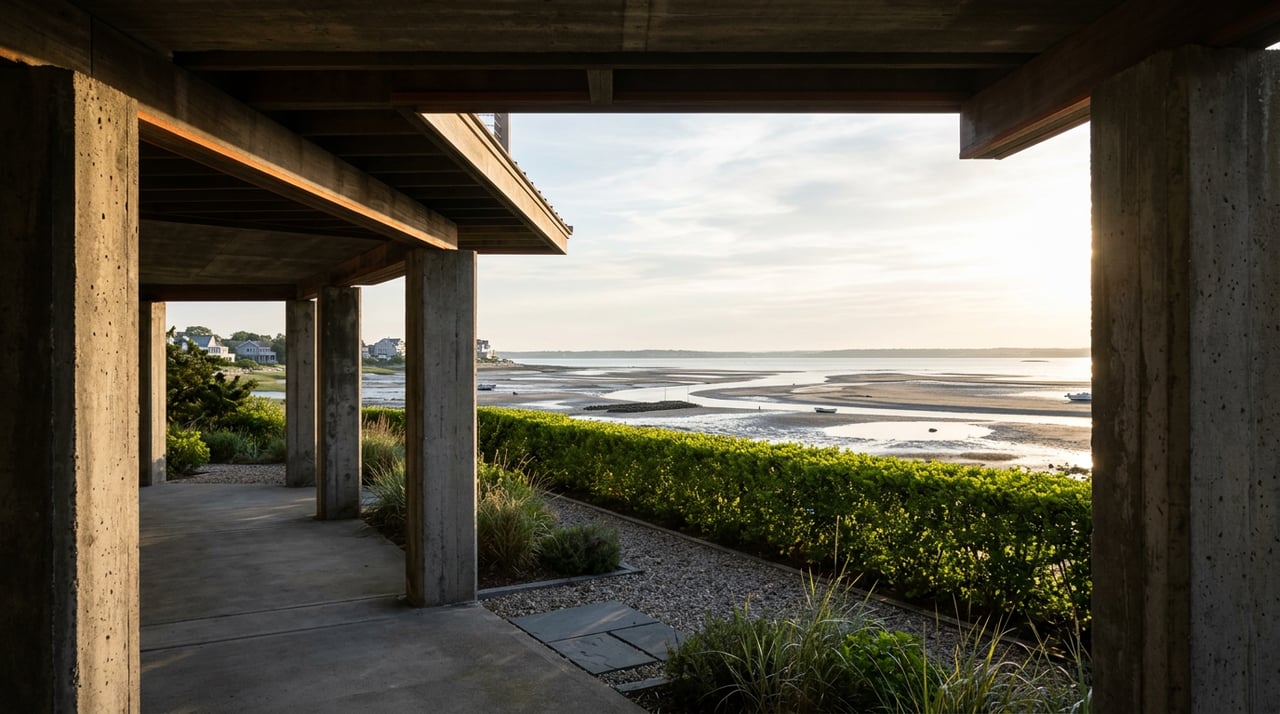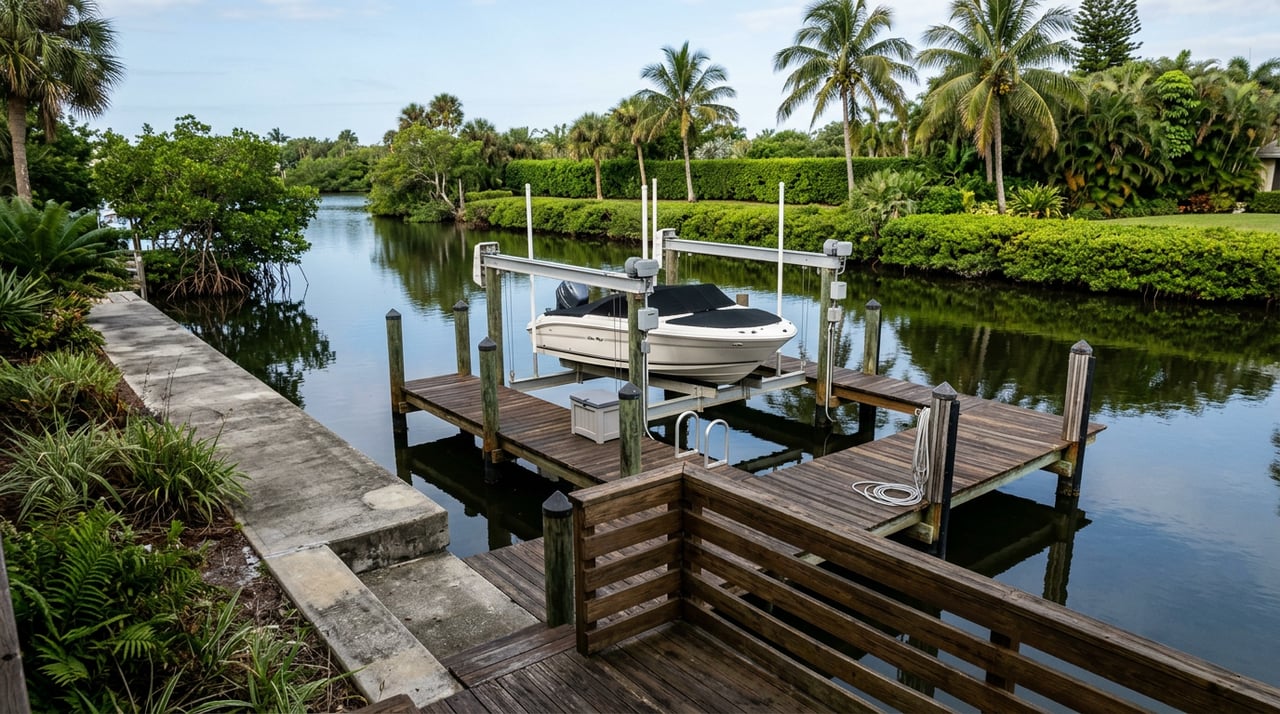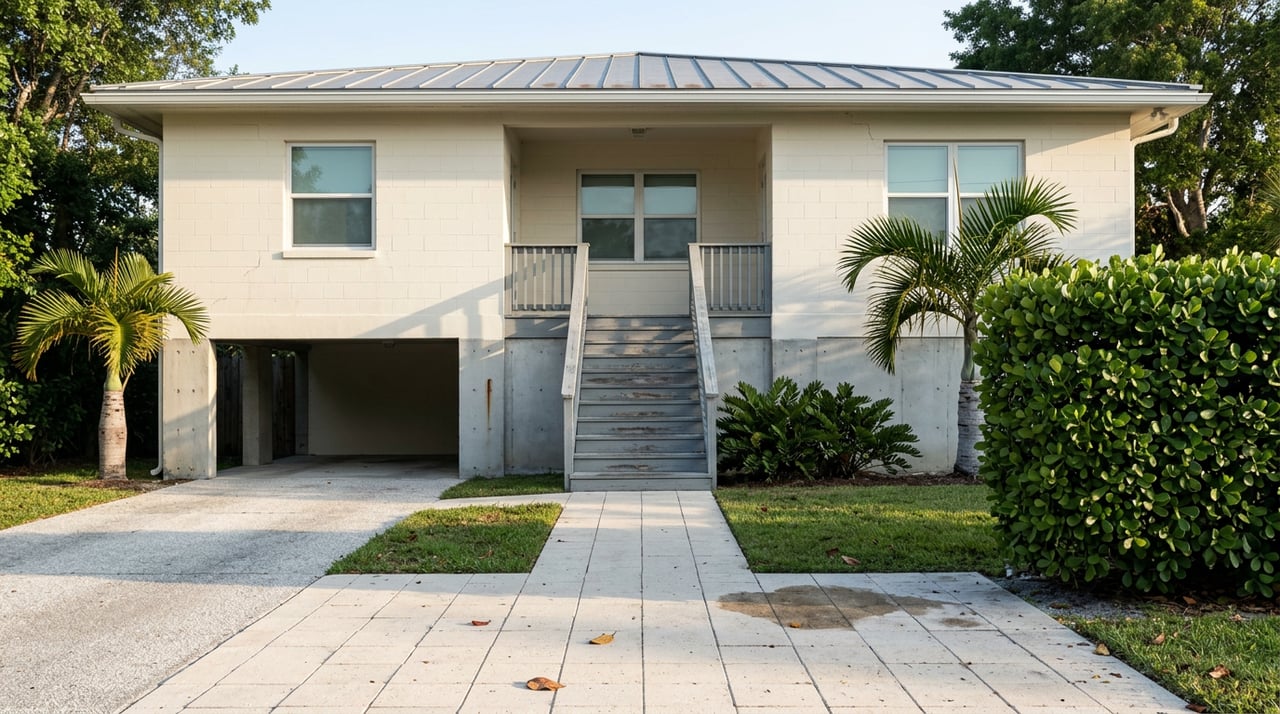
If you have ever noticed a Keys home draw multiple offers in January but sit quietly in August, you are already seeing seasonality at work. In the Upper Keys around 33051, travel patterns, short‑term rental revenue, and even insurance timelines shift through the year. Understanding that rhythm helps you time your move, price with confidence, and negotiate with clarity. In this guide, you will learn how each season influences prices and supply, plus practical strategies for buyers, sellers, and investors. Let’s dive in.
The Keys calendar that moves the market
Visitor traffic and second‑home demand in the Florida Keys are winter‑centric. Peak activity typically runs from November to April when winter travelers and snowbirds arrive. That surge raises on‑island buyer traffic and showings, which often speeds up well‑priced sales. The local tourism council documents how visitor spending supports the economy, reinforcing how travel patterns influence housing demand in resort markets like the Keys. You can see that broader impact in the council’s overview of tourism’s value to the islands at the Florida Keys tourism council.
Travel sources also highlight winter as the most popular time to visit the Keys because of the mild weather and calm seas, which aligns with the season when buyers are most active. For a simple calendar view of when visitors come, see this overview of the best time to visit the Florida Keys.
How seasonality shows up in prices and supply
Because 33051 is a small, high‑value market with many second homes, month‑to‑month stats can be jumpy. A single waterfront estate sale can move the median in a hurry. That is normal for boutique island zip codes. To see the real pattern, the most reliable approach is to review 3 to 5 years of monthly MLS data and to smooth it with rolling 3‑month and 12‑month medians. The key metrics to watch are:
- New listings by month and end‑of‑month active listings.
- Closed sales and median sale price by month.
- Days on market and months’ supply of inventory.
- Price reductions by month and share of active listings with cuts.
- Property type and waterfront segmentation.
When you compare these series to the tourism calendar, a consistent story usually appears. Listings launched right before or during winter tend to enjoy more showings and shorter market times. Shoulder and summer months often show more price adjustments and longer days on market. Short‑term rental performance also tracks with this cycle and can influence when owners decide to list.
High season: November to April
Winter brings the largest pool of visitors and second‑home shoppers to the Keys. That raises the odds that a serious, well‑qualified buyer is on island when your property is fresh to market. Short‑term rental metrics for Key Largo show this same winter peak, with both average daily rate and occupancy strongest in January through March. That is a clear signal for sellers and investors to align marketing and underwriting with the winter demand curve. To see this seasonality, review a Key Largo snapshot of monthly ADR and occupancy.
What this means for you:
- Sellers often get more showings and faster decisions on well‑priced homes.
- Buyers get the broadest selection in one trip, but should be ready to act.
- STR‑minded listings benefit from staging and marketing that speak to winter renters and second‑home use.
Shoulder seasons: April to June, October to November
As winter travel eases, inventory can remain steady while buyer traffic thins. That balance often lengthens days on market and increases the likelihood of price negotiations compared with peak winter months. Industry guidance also notes that off‑peak periods can favor patient buyers with flexible timelines. See this discussion of seasonal advantages some buyers miss.
What this means for you:
- Sellers who missed winter can still find qualified buyers, often with more manageable showing schedules.
- Buyers may secure better terms, though there are fewer new listings than in peak season.
- Vendors such as inspectors and appraisers are often more available, which can speed up closings.
Quiet and hurricane season: June to September
Summer heat and the official Atlantic hurricane season slow travel to the Keys, which typically reduces on‑island buyer traffic. The hurricane season runs from June 1 through November 30, with the most activity usually mid‑August through October, according to NOAA’s overview. Short‑term rental performance also dips to annual lows around late summer and September, which can affect investment underwriting and owner decisions about when to list. You can see the lower late‑summer STR metrics in the Key Largo ADR and occupancy trends.
What this means for you:
- Buyers often face less competition, longer days on market, and more room to negotiate.
- Sellers can still transact, but should set expectations on showing counts and timelines.
- Insurance and underwriting may take longer in season, so plan for extended escrow buffers and early carrier quotes.
Reading the data for 33051
To prove the pattern for your specific property type or price band, request a monthly MLS export for 33051 and the Upper Keys. Focus on the last 3 to 5 years and build:
- Monthly new listings and closed sales, with a 3‑year average overlay.
- Median sale price and median days on market by month.
- Months’ supply of inventory and share of active listings with price reductions.
- Breakouts for single‑family vs condo and waterfront vs non‑waterfront.
Because small markets are volatile, chart both raw monthly values and rolling 3‑month medians. If one extraordinary sale skews a month, display a series with and without that outlier. This gives you a clear, honest seasonality picture while preserving the story of premium trophy transactions that define the Keys.
Strategy for sellers in 33051
Your timing depends on your goals. Use these simple rules of thumb.
- Maximize price and exposure: Prepare to list just ahead of winter so your home is fully marketed from November through April. Align your media and open houses with on‑island travel peaks. STR‑friendly positioning, professional photography, and waterfront lifestyle storytelling help you reach second‑home and international audiences supported by winter travel demand described by the tourism council.
- Prioritize certainty or speed: If you aim for a quicker, less crowded window, consider the October to November shoulder or summer. Be transparent about inspection and insurance timelines if you are closing during hurricane season per NOAA’s timing.
- Price with data: Pair a competitive list price with a pre‑planned adjustment schedule based on weekly showing feedback and comparable DOM for your segment.
Strategy for buyers and second‑home shoppers
Choose your window based on selection versus leverage.
- For the widest selection in one trip: Visit January through April. Expect quicker offer timelines on well‑priced properties in this window.
- For more negotiating power: Target summer or shoulder months. Inventory will be thinner, but sellers are often more flexible on terms. Industry notes on off‑peak buyer advantages can help you plan.
- Plan for season logistics: During hurricane season, build time for insurance quotes and underwriter review, and keep inspection windows realistic using NOAA’s season dates as guardrails.
Strategy for vacation‑rental investors
In the Upper Keys, STR performance is highly seasonal. That requires monthly underwriting, not just an annual average.
- Build a 12‑month revenue calendar: Use a professional source or manager to model monthly ADR, occupancy, and RevPAR. Public snapshots for Key Largo show winter peaks and late‑summer troughs in the ADR and occupancy series.
- Verify the rules before you buy: Monroe County’s Special Vacation Rental Program governs permits, inspections, and stay lengths in certain areas. Always verify zoning and permit status against the county’s program page before assuming nightly rentals are allowed.
- Time your purchase with your plan: If you want to capture winter revenue immediately, target a fall closing so you can launch during peak ADR. If you prefer to negotiate more aggressively, summer can offer better terms, then use that time to refresh the property before high season.
Events and one‑off spikes
Most seasonality follows the broad winter‑shoulder‑summer curve, but major events can cause short spikes. For example, the Lower Keys’ late October festival schedule can inflate occupancy for a few weeks, which may briefly ripple through showing traffic and rental pricing. You can see how big events influence demand patterns in broader Florida coverage like this Associated Press feature on Fantasy Fest. When you review month‑by‑month charts, annotate event weeks so you do not mistake a bump for a new trend.
A simple timing checklist
- Sixty to ninety days before listing: Complete pre‑list inspections, collect permits and elevation certificates, and schedule media. If aiming at winter, target prep in late summer and early fall.
- Thirty to forty‑five days before market: Finalize pricing, launch teaser media, and confirm vendor availability. If closing during hurricane season, pre‑shop insurance.
- While shopping as a buyer: Decide if you want selection or leverage. Book winter trips for variety, or summer trips for room to negotiate. Bring proof of funds or pre‑approval for speed.
- For STR investors: Build a monthly P&L with a winter peak and late‑summer trough, and confirm county permit path before making assumptions.
Ready to align your move with the market’s natural rhythm? Let a local, lifestyle‑driven advisor turn these insights into a timing plan tailored to your property or search. Connect with Pierre‑Marc Bellion for a data‑backed strategy that fits the Keys calendar and your goals.
FAQs
Is winter really the busiest homebuying season in the Florida Keys?
- Yes. Visitor traffic and on‑island activity are strongest from November to April, which aligns with more showings and faster decisions for well‑priced listings. See the tourism council’s overview of Keys visitation and value and a traveler’s view of the best time to visit.
How does hurricane season affect buying or selling in 33051?
- The official season runs June 1 to November 30, with activity often peaking in late summer. Showings and travel ease off, days on market can stretch, and insurance timelines may lengthen. Review NOAA’s season timing when planning closings.
When is the best time to see the most listings in the Upper Keys?
- January through April typically offers the widest selection in one trip because more owners list and more managers are on island to coordinate showings, mirroring peak visitor season shown in travel guidance for the Keys.
Do vacation‑rental returns in Key Largo change by season?
- Yes. Average daily rate and occupancy generally peak in winter and dip in late summer and September. Build your underwriting with a monthly calendar using sources like the Key Largo ADR and occupancy snapshot.
Can I use public websites for month‑by‑month charts in 33051?
- Public snapshots are helpful for context, but for small zip codes you should rely on a direct MLS export to chart monthly seasonality and smooth volatility with rolling medians. A local advisor can prepare this for you.