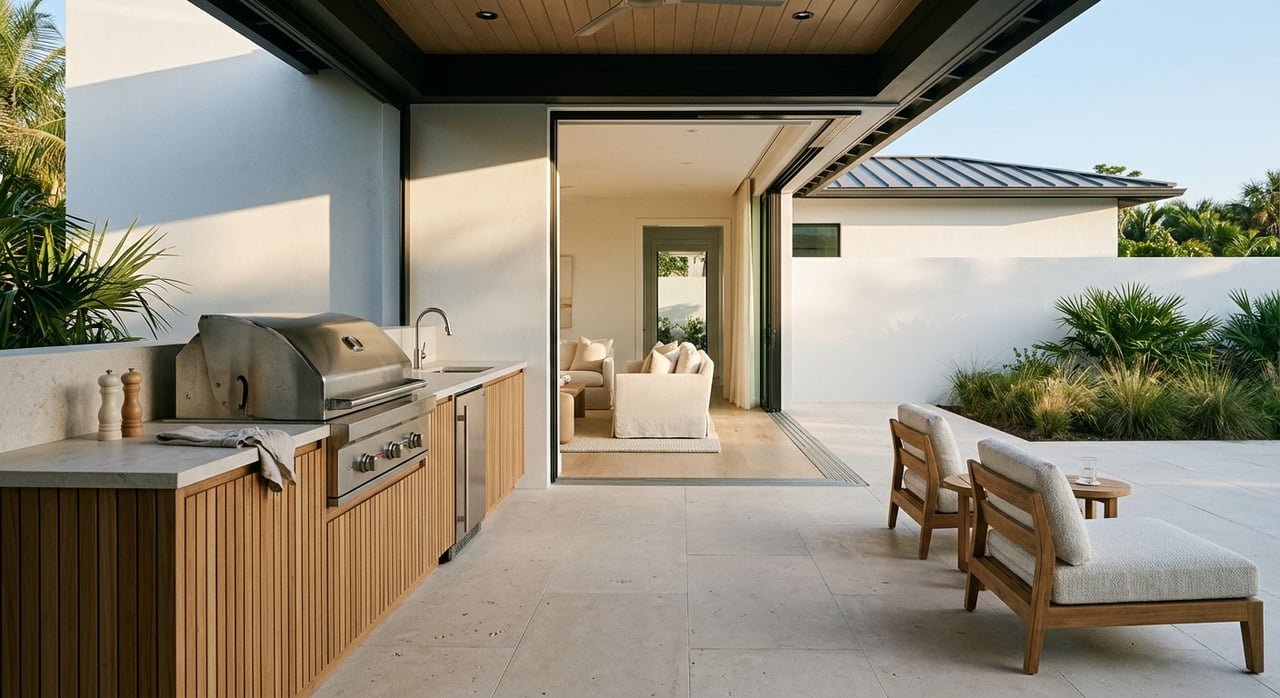
When a home in Islamorada gets indoor-outdoor living right, you feel it almost immediately. The breeze moves through shaded spaces, the transition from inside to outside feels easy, and the design works with island conditions instead of fighting them. If you are planning a purchase, preparing to sell, or thinking about upgrades, understanding how these spaces work in the Florida Keys can help you make smarter choices. Let’s dive in.
Why indoor-outdoor living fits Islamorada
Islamorada’s climate naturally supports this style of living. NOAA climate normals for the area show a mean daily temperature of 77.9°F, with warm conditions throughout the year, plus a wet season that runs from May through October and a drier season from November through April. That means outdoor spaces can be useful in every season, but they need to be designed for heat, rain, and regular moisture.
Breezes also matter. Forecast patterns for the Keys often include gentle or easterly winds, which helps explain why covered terraces, porches, and lounge areas are often placed to catch moving air. In practical terms, the most comfortable spaces usually combine airflow with shade rather than relying on full sun exposure.
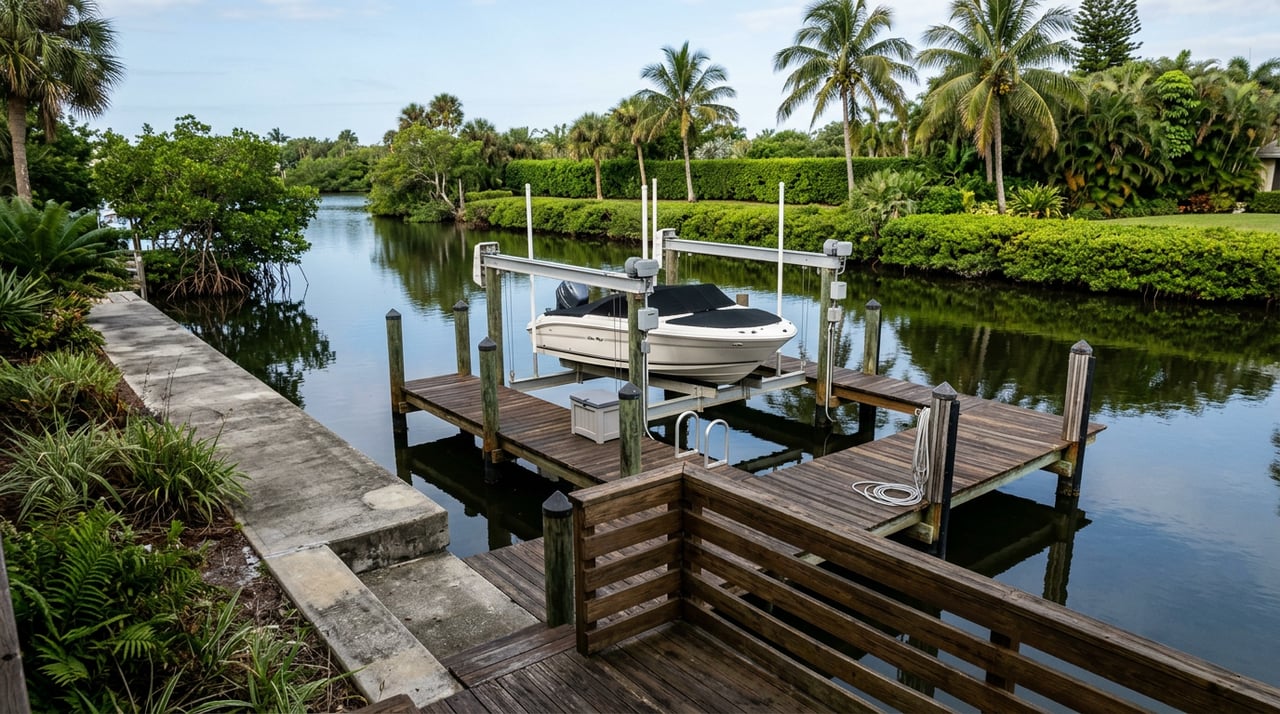
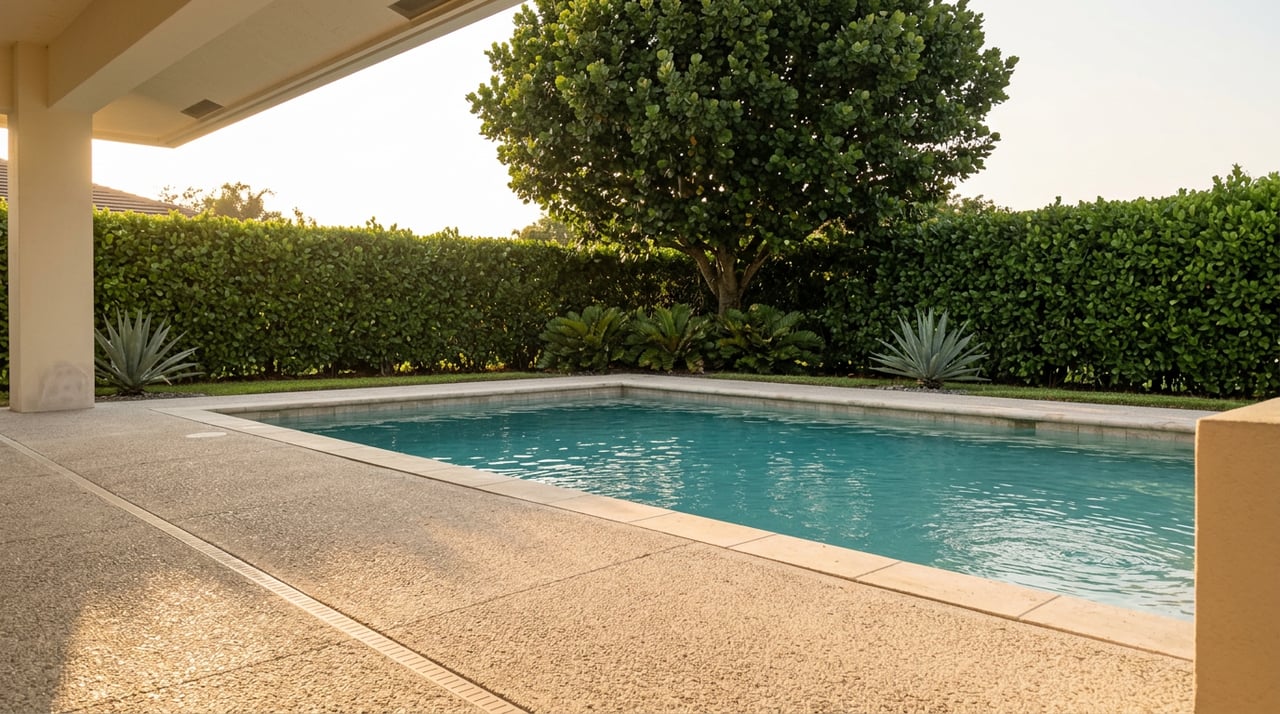
For many buyers, this is part of the appeal of island living. You are not just looking at square footage. You are looking at how a home lets you enjoy coffee on a veranda, dinner under cover, or an easy transition from the main living area to the deck, pool, or dock.
Keys architecture shapes the look
Islamorada homes often feel naturally suited to indoor-outdoor living because the regional architecture has long embraced it. Monroe County’s cultural resource assessment identifies several Florida Keys traditions, including frame vernacular, masonry vernacular, Ranch, Mid-Century Modern, and British Colonial Revival. Across those styles, porches, verandas, open plans, and sun-shading features show up again and again.
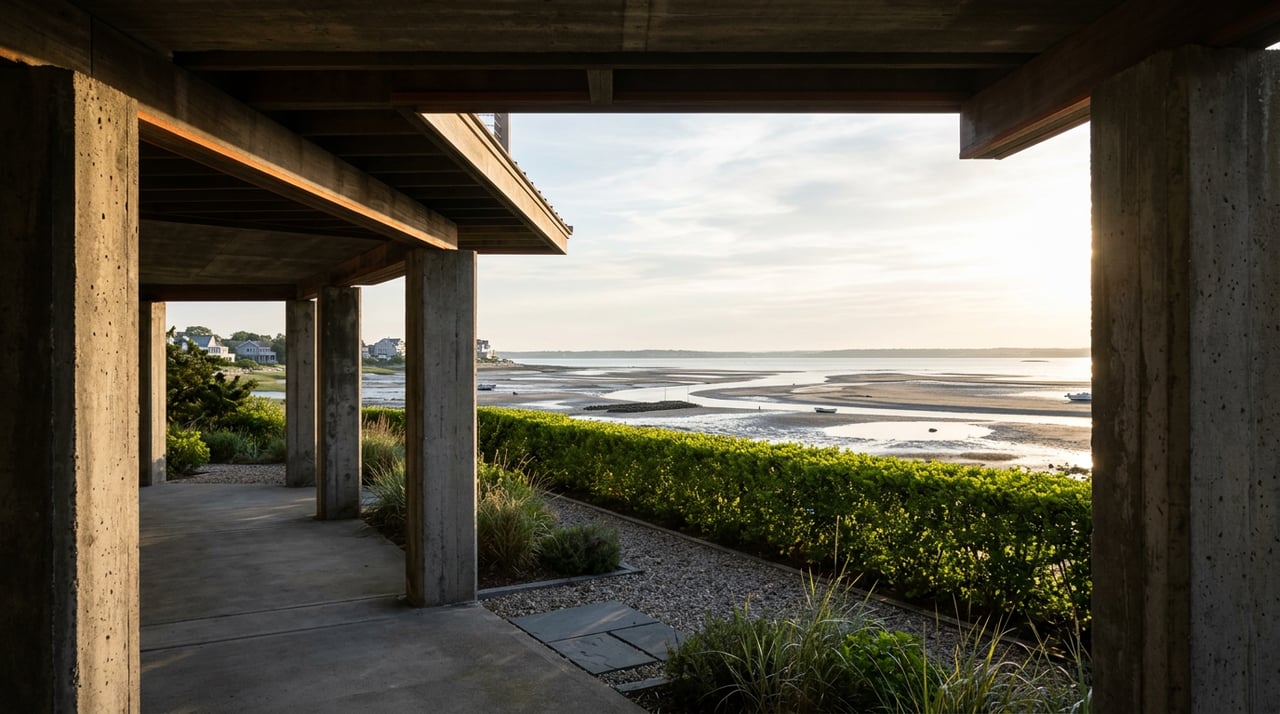
That local design history still influences today’s homes. You often see elevated living levels, deep covered terraces, breezeways, and large openings facing the water. Even in newer luxury properties, the strongest designs tend to echo those familiar Keys cues rather than treating outdoor space as a simple add-on.
If you want a home to feel distinctly local, these are the details to pay attention to:
- Raised porches and entry landings
- Deep covered terraces
- Verandas and shaded sitting areas
- Open interior layouts with strong sightlines outside
- Large windows and doors that bring in light
- Sun-shading details that soften heat and glare
Layered outdoor rooms work best
In Islamorada, one exposed patio is rarely enough. A better approach is to think in layers, with each space serving a slightly different purpose depending on the weather, the time of day, and how you want to live in the home. This is especially helpful in a tropical-maritime climate with summer thunderstorms, regular humidity, and seasonal rain.
A layered plan might include a covered terrace for daily seating, a screened lounge for evenings, and a shaded dining area near the kitchen. That gives you options without losing the openness that makes a Keys home feel special. It also helps outdoor areas stay functional when the weather shifts quickly.
Here is what that can look like in practice:
Covered terraces for daily living
A covered terrace often becomes the true extension of the main living room. It gives you shade during the hottest parts of the day and some protection during passing rain. In many Islamorada homes, this is the outdoor area that sees the most everyday use.
Screened lounges for comfort
A screened area can make a big difference when you want fresh air with more protection. It adds flexibility for morning coffee, reading, or casual gatherings without full exposure to wind and rain. In a climate with warmth and moisture year-round, that extra layer of comfort can be valuable.
Shaded dining near the kitchen
Outdoor dining works best when it feels easy. If the dining space sits close to the kitchen and has overhead cover, it becomes much more practical for regular meals and entertaining. That kind of layout supports the relaxed but polished lifestyle many buyers are looking for in Islamorada.
Materials matter near saltwater
In a marine environment, design is only part of the story. The materials and hardware you choose play a major role in how well an outdoor space holds up over time. FEMA’s coastal construction guidance warns that standard fasteners and connectors can corrode quickly near saltwater, and that hazard-resistant construction should match the level of corrosion exposure with the right corrosion-resistant materials.
This applies to more than major structural elements. It is also relevant for exterior hardware, hinges, cabinet frames, railings, grills, and deck components. A beautiful outdoor kitchen or waterfront terrace can lose its appeal quickly if the materials are not suited to coastal exposure.
If you are evaluating a home or planning upgrades, pay close attention to:
- Deck fasteners and connectors
- Railing systems
- Outdoor kitchen hardware
- Hinges and cabinet frames
- Exterior light fixtures
- Gate and door hardware
These details may seem small at first, but they affect maintenance, appearance, and long-term durability.
Elevated design is part of the plan
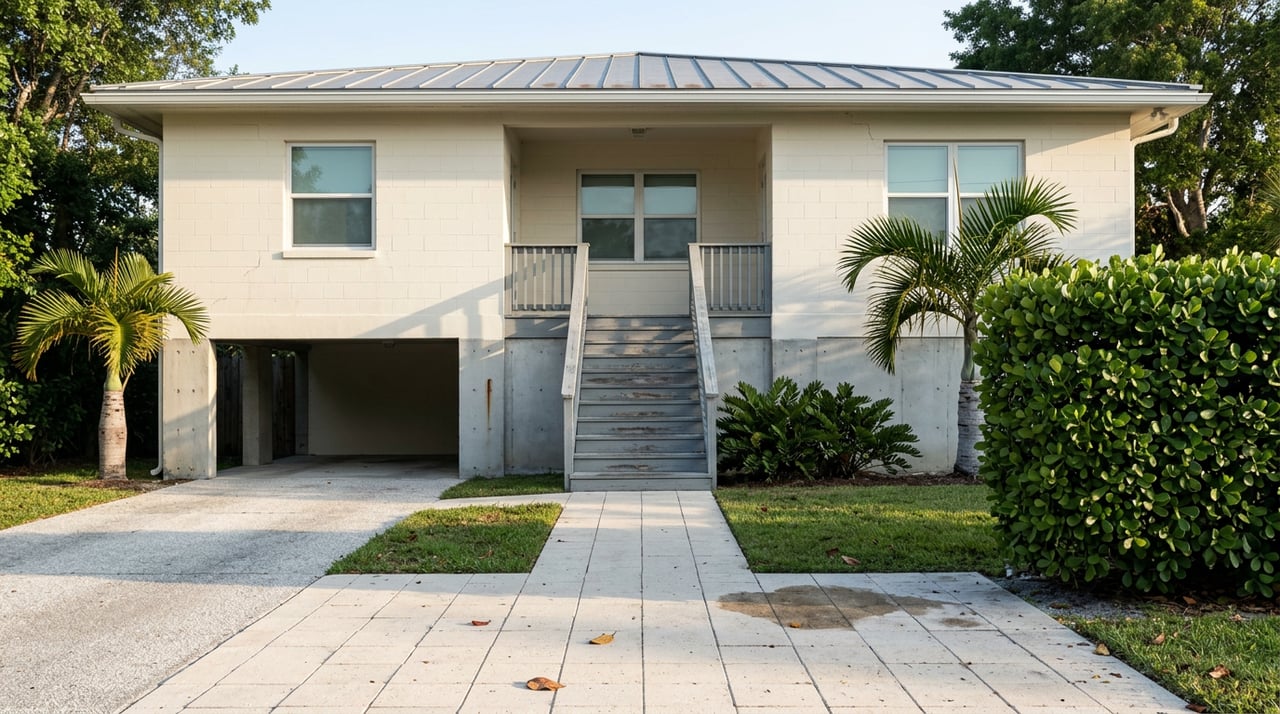
One of the most important things to understand about indoor-outdoor living in Islamorada is that it often happens above grade. The Village of Islamorada and Monroe County both emphasize floodplain management, building review, and elevation-related standards. In plain English, that means decks, stairs, landings, enclosures, and transition spaces are often shaped as much by flood requirements as by style.
This is why so many Florida Keys homes feel different from mainland coastal properties. The connection between inside and outside may happen through raised decks, stairs, and open-air landings rather than a simple ground-level patio. FEMA examples tied to Monroe County also show elevated homes on open foundations with piers and concrete footers, plus access ways into and out of elevated living spaces.
For buyers, this matters because a home’s outdoor flow should be viewed through both a lifestyle and resilience lens. A well-designed elevated home can still feel seamless and welcoming, but the transition spaces need to be thought through carefully.
Permits are usually part of the process
If you are considering exterior changes, do not assume they are purely cosmetic. The Village says a building permit is required for most construction work, and code compliance materials note that permits are required for many renovations, land clearing, fill, fences, tie-downs of habitable structures, and work subject to floodplain management requirements.
That means outdoor rooms, decks, enclosures, and other exterior improvements often involve more than design preferences. Building review and floodplain considerations can affect what is possible and how the work needs to be done. For homeowners, this makes early planning especially important.
A good starting checklist includes:
- Confirming whether the planned work requires a permit
- Reviewing floodplain considerations for the property
- Understanding elevation-related design constraints
- Checking how access stairs, landings, and decks fit the plan
- Choosing details and materials suited to coastal exposure
Landscape and lighting should support the setting
Outdoor living is not just about furniture placement. Landscape and lighting shape how the space feels, how comfortable it is, and how well it fits local conditions. Islamorada’s code compliance guidance notes that native plants and trees can help reduce runoff, water consumption, impervious surface area, and ambient temperatures.
That makes restrained, climate-aware landscaping a smart fit for many homes. Instead of overfilling a yard, the goal is often to frame views, create shade, and support drainage while keeping the property easy to enjoy and maintain. In a waterfront setting, simplicity often reads as more refined.
Lighting deserves the same level of attention. The Village notes that turtle nesting season runs from April 15 through October 31 and that artificial lighting and beach clutter are regulated during that period. For homes near the shore, low-impact and carefully shielded lighting is a thoughtful design choice that aligns better with the setting.
What buyers and sellers should notice
If you are buying in Islamorada, indoor-outdoor flow should be one of the first things you evaluate. Look at how the home handles shade, breeze, rain coverage, elevation, and movement between spaces. The best setups feel relaxed and intuitive, not forced.
If you are selling, these spaces are often part of what makes the property memorable. Covered terraces, breezy verandas, outdoor dining areas, and elevated decks can help tell the lifestyle story buyers are looking for in the Upper Florida Keys. Presentation matters, but so does showing that the design responds well to island conditions.
The strongest indoor-outdoor spaces in Islamorada usually share a few qualities:
- They feel open without feeling exposed
- They provide shade and rain protection
- They take advantage of breeze and water views
- They use materials suited to salt air
- They respect elevation and flood-aware design
- They connect naturally to daily life, entertaining, and waterfront access
In other words, great indoor-outdoor living here is not about adding more features for the sake of it. It is about creating spaces that feel easy, durable, and true to the Keys.
If you are exploring homes in Islamorada or preparing to position a property for the market, working with someone who understands both the lifestyle and the practical side of waterfront design can make the process much clearer. For personalized guidance on buying or selling in the Upper Florida Keys, connect with Pierre-Marc Bellion.
FAQs
Can indoor-outdoor living spaces in Islamorada be used year-round?
- Yes. Islamorada’s warm climate supports year-round use, but the most functional spaces usually include shade, rain cover, and airflow.
What design features make an Islamorada home feel more like the Florida Keys?
- Raised porches, verandas, open floor plans, and sun-shading details are some of the clearest regional design cues identified in Monroe County’s architectural history.
Do outdoor upgrades in Islamorada usually need permits?
- In most cases, yes. The Village says most construction work requires a permit, and flood-related improvements often involve additional review.
What materials are important for outdoor living areas near the water in Islamorada?
- Corrosion-resistant materials and coastal-appropriate hardware are important because salt exposure can shorten the life of standard connectors, fasteners, and exterior components.
Why are so many indoor-outdoor spaces in Islamorada elevated?
- Elevation and floodplain requirements often shape how homes are built and improved, so decks, stairs, landings, and raised living transitions are a common part of outdoor design in the Keys.